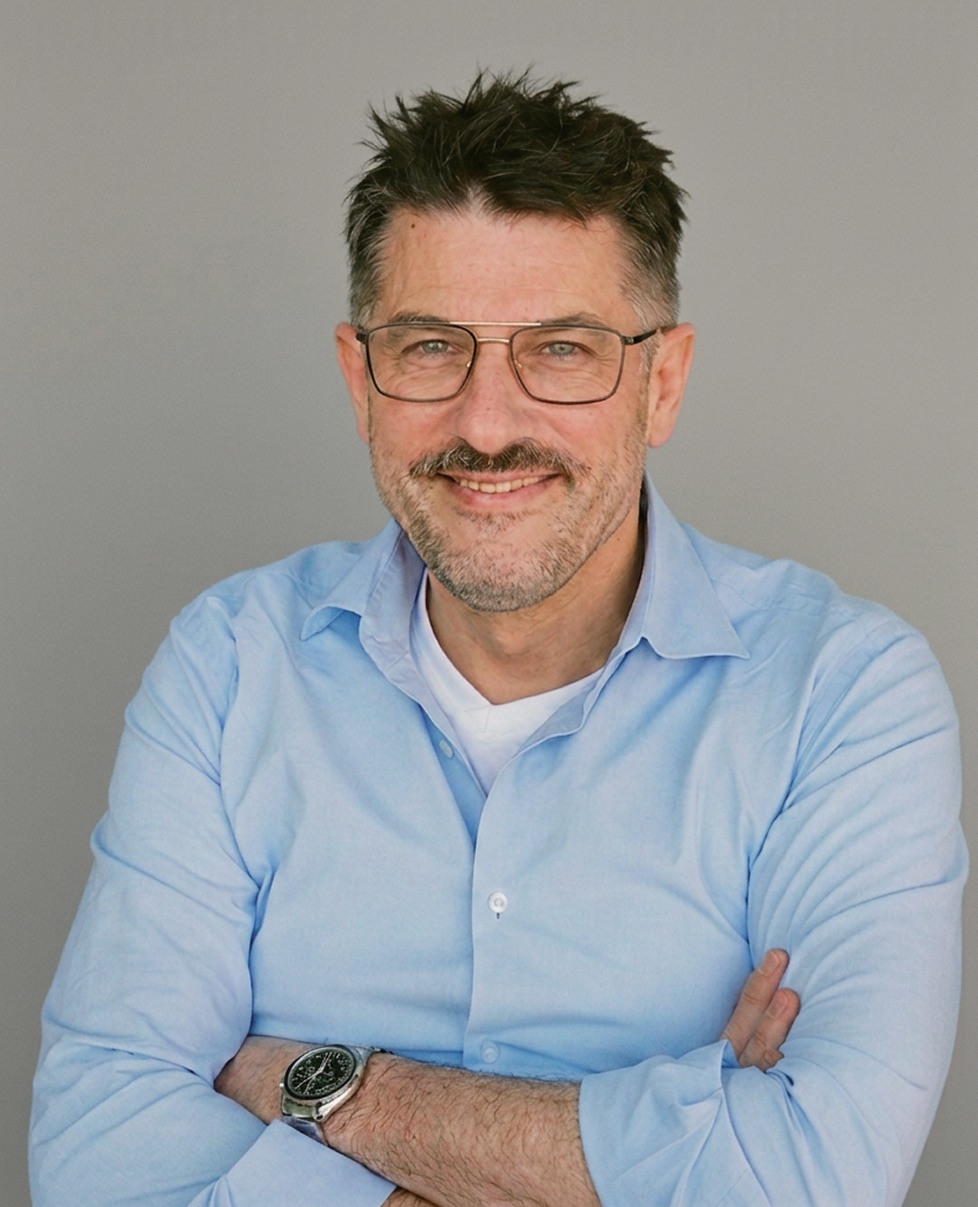
 In Berlin
Ron Siedner, bohabaita
Your one contact, in German or English. 15+ years in real estate.


Buying guide
Yes, foreigners can buy property in Israel, without an Israeli passport and without living there. For the purchase tax and financing, what counts is where you live, not your passport. And you don't do it alone: Ron guides you in German or English, our partners at Palm Property Group take care of everything on the ground in Tel Aviv, and we introduce you to lawyers we work with and trust, who handle the legal side for you. Much of it can be done by power of attorney from abroad.
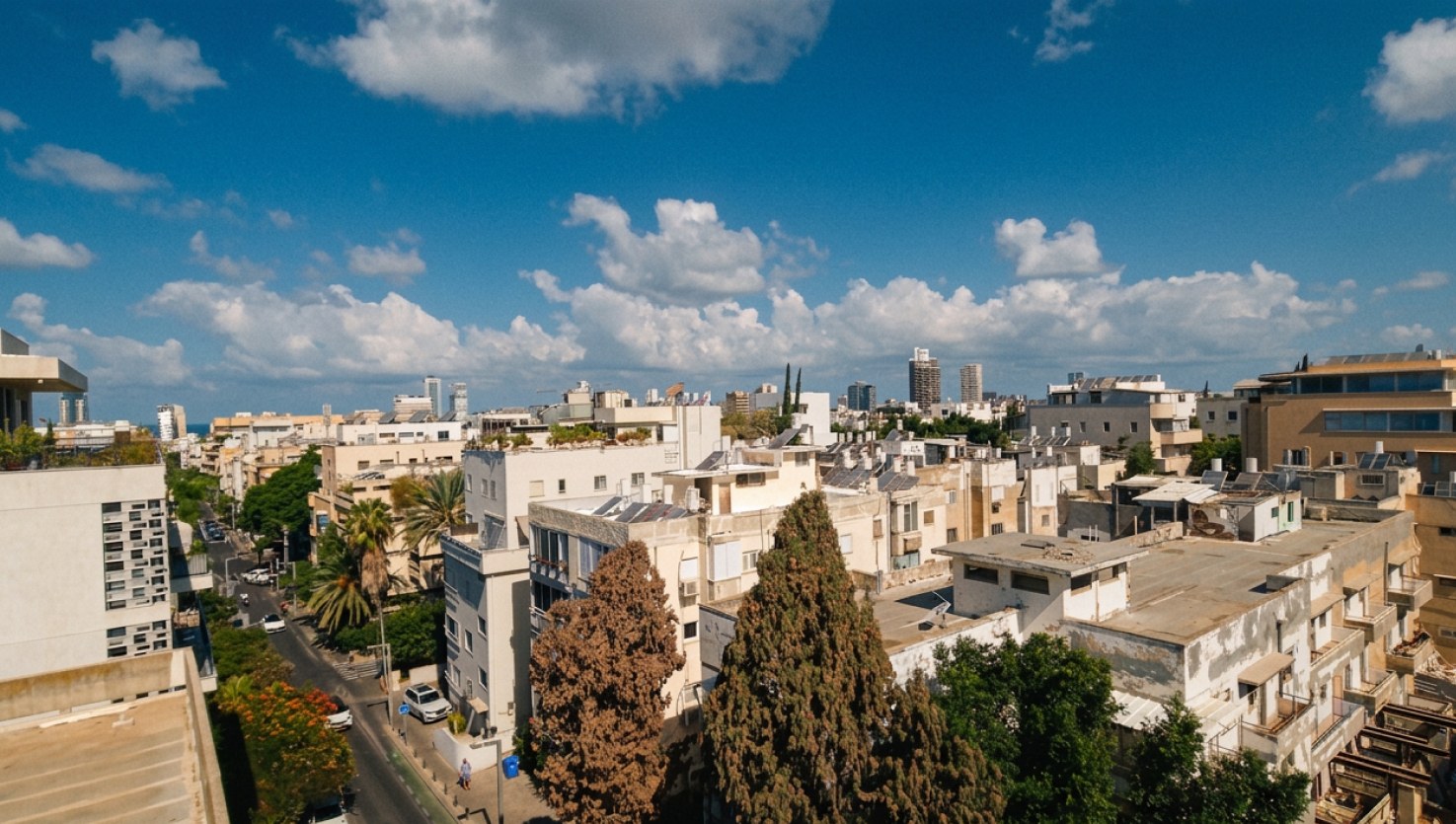
You are not doing this alone
In Berlin
Your one contact, in German or English. 15+ years in real estate.
Licensed Israeli brokerage for international buyers. They find, check and negotiate.
They work only for you. You choose.
Yes. What matters is not your passport but where you live. Foreign nationals can buy residential property in Israel, with no citizenship or residency requirement.
What does make a difference is where you live: buyers who live outside Israel are non-residents, for example for the purchase tax and for financing, even if they hold an Israeli passport.
Buying a home abroad takes a number of steps. You don't take them alone: Ron is your contact from the start, and he stays your contact after the purchase.
“I don't just sell you an apartment. I help you arrive in Tel Aviv.”
It all starts with a conversation. Ron asks: What is the home for? What budget, which neighborhoods, what timeline? The better he understands you, the less time you lose later on homes that don't fit.
Together with Palm Property Group, Ron presents homes that fit you. Each one comes with a video walkthrough, so you can compare at your own pace from home and only fly in for the ones you really like.
When you come to Tel Aviv, we plan the appointments so you see your favorites in a few days. Palm checks the homes on the ground first. If you can't travel, you view them by video call.
We introduce you to lawyers we work with, who work only for you. They check the land registry, liens and permits before you sign anything. Ron explains what it means for you.
In Israel there is no notary who acts for both sides. Each side has its own lawyer. Never use the seller's lawyer.
Your lawyer checks the land registry extract (Tabu), debts and liens, building permits and the contract. If the extract shows a warning note, everything stops until it is cleared.
Palm negotiates price and terms for you. Ron goes through every document and every payment with you, in German or English. Much of it works by power of attorney, so you only travel when you want to.
Payments follow a schedule. When you buy from a developer, ask how each payment is secured, usually with a bank guarantee.
You do not need to fly in for every step. With a notarized power of attorney, your lawyer can act for you.
Your lawyer files the purchase tax return and registers you as the owner. Ron is there for the handover of the keys, in person or by video.
Your lawyer files the purchase tax return and registers your ownership. Until the final registration, a caution note protects your rights.
Our support doesn't end with the keys. Ron stays your contact for questions about the home, tradespeople or the building management. If you buy as an investment, we take care of renting it out with Palm, if you wish.
Plan the buying costs from the start, not at the signing. The rates depend on your situation and change over time, so your lawyer confirms them for your purchase.
| Item | What to know | Typical rate |
|---|---|---|
| Purchase tax (Mas Rechisha) | Depends on your residence, not your passport. If you live abroad, you pay from the first shekel. If you make aliyah, a reduced rate applies (next row). | 8% up to ₪6,055,070 (≈ $1.98M), 10% above. Temporary rates, currently until 10 Feb 2027 |
| Purchase tax with aliyah | For new immigrants (olim) buying their only home, from 1 year before to 7 years after aliyah, once. If you move to Israel within 2 years of buying, you can apply for a refund. | 0% up to ₪1,978,745 (≈ $648,000), 0.5% up to ₪6,055,070, 8% up to ₪20,183,565. No relief above that |
| Your lawyer | Usually a percentage of the price, plus 18% VAT | approx. 0.5–1% + VAT |
| Broker | Fee only with a signed written brokerage order; no legal cap | customarily 2% + VAT |
| Developer's lawyer | Charged to the buyer of a new build. The legal cap only applies up to a price of ₪4,642,750 (≈ $1.52M) | max. 0.5% or ₪5,915 (≈ $1,940) + VAT, whichever is lower |
| Smaller items | Appraiser, registration, bank fees, currency exchange | Appraiser approx. ₪1,500–3,500 (≈ $490–1,150) · land registry entries usually under ₪500 · mortgage file fee max. ₪360 · currency exchange at banks approx. 1–1.5% spread |
Sources, as of 21 Oct 2026: Purchase tax: Globes (10 Jun 2026), Bizportal (6 Sep 2026), aliyah: Globes (2024), Melnik (5 Sep 2026); extension to 10 Feb 2027: Emess (13 Oct 2026); check your own case with the Israel Tax Authority calculator. Lawyer, broker, developer's lawyer, appraiser, mortgage fee: Bizportal (6 Aug 2026). Land registry fees: Land Regulations (Fees) 1974 via Nevo. Currency exchange: Calcalist (27 Jul 2026). US dollars at the Bank of Israel reference rate of 9 Oct 2026. No guarantee, see the note below.
Found an apartment and want to know the total cost? Ask Ron for an overview for that property.
You can get a mortgage in Israel as a non-resident. But Israeli banks expect buyers who live abroad to bring a much larger share of the price than residents: usually around 50%. Residents can borrow up to 75%, depending on their situation.
The bank works with the lower of the purchase price and its own appraisal, and asks for proof of where your money comes from. If you make aliyah, the terms usually improve.
Not sure how much you need to bring yourself? Talk it through with Ron before you start looking.
To buy, you usually need an account with an Israeli bank. Israel has strict anti-money-laundering rules (Prohibition on Money Laundering Law, 2000), so the Israeli bank checks closely where your money comes from. Your bank at home does the same under the rules of your country. Keep proof ready, such as bank statements, salary or sale documents and tax assessments. Your lawyer and Ron tell you in advance exactly what is needed.
Plan for the exchange rate: between signing and the last payment, the rate between your currency and the shekel can move a lot. Banks often add 1–1.5% when they exchange, specialist providers are often cheaper. Best let both banks know before a large transfer.
Every new apartment in Israel has a reinforced safe room, the mamad. On a normal day it is a home office, guest room or children's room.
Getting started
A few lines are enough.
Usually within one business day. No obligation.
Homes that fit, with video walkthroughs, so you decide from home.
Ron sees himself as a matchmaker: researching, checking and negotiating behind the scenes, with genuine commitment to finding the home that fits your goals.
FAQ
Yes. Foreign nationals can buy residential property in Israel, with no citizenship or residency requirement. For land owned by the Israel Land Authority, special rules can apply, which your lawyer checks.
Yes. Your nationality doesn't matter, your residence does. Buyers who live outside Israel are treated as non-residents, for example for the purchase tax, whatever passport they hold.
Yes. Ron Siedner (bohabaita) guides buyers in German and English, personally, from the first question to the handover of the keys and beyond. He advises from Berlin, in cooperation with licensed Israeli brokers, developers and lawyers.
It depends a lot on the neighborhood. Median prices per m² range from about ₪36,400 in Ajami (Jaffa) to about ₪119,900 for new builds in Neve Tzedek (≈ $11,900 to $39,300; Israel Tax Authority, nadlan.gov.il, as of October 2026). Each neighborhood in the city guide has its own page with prices.
Usually through an account in Israel, with proof of where the money comes from. Plan for the exchange rate and the bank's fees. The details depend on your bank and are set up with your lawyer.
Three large items: the purchase tax (Mas Rechisha), your lawyer and, if one is involved, the broker. On top come smaller costs such as an appraiser, registration and bank fees. See costs above.
Residence. Even with an Israeli passport, you pay the rate for non-residents as long as you live abroad.
A reinforced safe room inside the apartment, required in new apartments since 1992. On a normal day it is just a room. Read more about the mamad.
Buyers from abroad ask most often about Jaffa, Florentin, Neve Tzedek, Lev Ha'ir and the Old North, and the towns around the city such as Ramat HaSharon and Savyon. See the city guide.
Jaffa is part of Tel Aviv. The two merged in 1950 and are officially one city, Tel Aviv-Yafo. Jaffa is its southern end, within walking distance of the center along the beach. Read the Jaffa guide.
Because you keep one contact in Berlin who speaks your language, knows how buyers from abroad think and stays with you through every step. On the ground, our partners at Palm do what a good Israeli brokerage does. You get both, without having to coordinate them yourself.
Together with our licensed partner Palm Property Group, we work at the usual broker commission: customarily 2% of the purchase price plus VAT (see costs above). It is only due if you buy, and only under a written brokerage agreement that you sign beforehand. Ron's guidance in German or English is included, there is no separate fee for it.
Tell Ron what you are looking for.
Send a message and Ron will get back to you directly, usually within one business day.
Prefer to reach Ron directly?